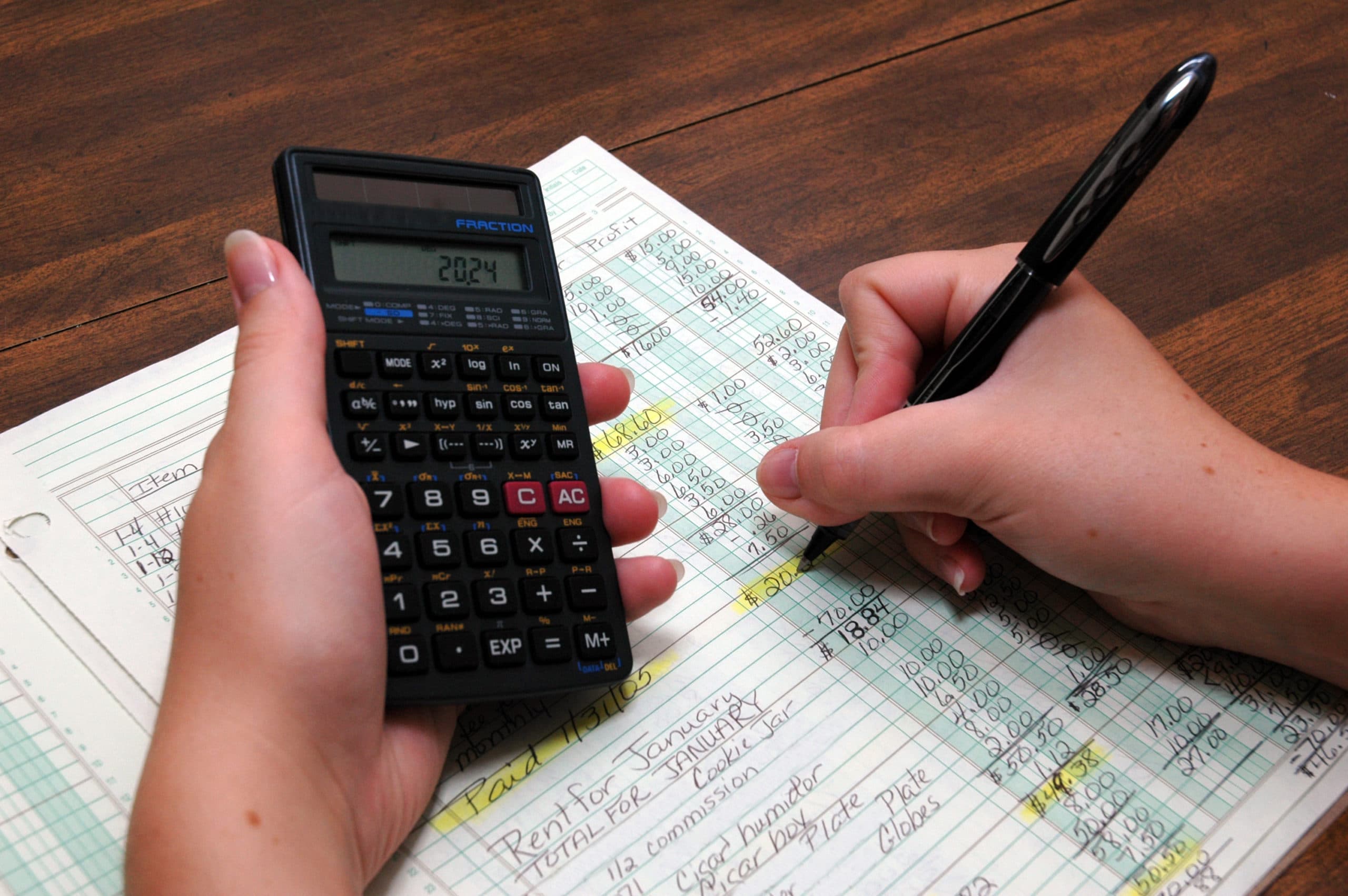
You started a business to do the work you’re good at. Somewhere along the way, you also became the bookkeeper.
Bookkeeping doesn’t have to be intimidating. Once you understand the basics, you’ll know what your numbers are telling you, and when it’s time to hand the books to someone else.
What Is Bookkeeping?
Bookkeeping is the process of recording and organizing every financial transaction your business makes, so your records are accurate, current and ready for taxes and decisions.
Bookkeeping follows two rules:
- Every debit has an equal and opposite credit
- Your accounts must always balance
The process runs in four steps: assign each transaction to the right accounts, write the journal entry, post it to the ledger, and make adjusting entries at the end of each period. See how that works line by line in Journal Entries Explained With Examples.
Bookkeeper vs. Accountant
People use the terms interchangeably, but the roles are different.
| Bookkeeper | Accountant | |
|---|---|---|
| Main job | Records and organizes transactions | Analyzes, interprets and reports on financial data |
| Typical work | Data entry, reconciliations, payables and receivables, monthly reports | Tax returns, tax planning, audits, financial statements |
| Looks at | What happened | What it means and what to do next |
| Training | Accounting coursework or certification, software expertise | Bachelor’s degree in accounting; CPAs are licensed |
Most small businesses need a bookkeeper year-round and an accountant or CPA at tax time.
The 5 Basic Account Types
Every transaction affects at least two of these accounts.
Assets
What your business owns: cash, accounts receivable, inventory, equipment and prepaid expenses.
Liabilities
What your business owes: accounts payable, loans, credit card balances and taxes owed.
Equity
Your ownership stake in the business. It’s what’s left after you subtract liabilities from assets.
Revenue
Money your business earns from selling products or services.
Expenses
Money your business spends to operate: rent, utilities, payroll, software and supplies.
The five types connect in one equation:
Assets = Liabilities + Equity
Revenue increases equity. Expenses decrease it.
How to Set Up Your Books
1. Choose Accounting Software
Cloud-based software like QuickBooks or Xero records transactions, connects to your bank and produces reports. Set it up correctly from the start, because fixing a bad setup later takes far longer.
2. Separate Business and Personal Finances
Open a dedicated business bank account and credit card. Mixing personal and business spending is one of the fastest ways to create messy books and missed deductions.
3. Create Your Chart of Accounts
A chart of accounts is the list of every account your business uses, organized by the five account types. Keep it simple at first. You can add accounts as you grow.
4. Set Clear Expense Categories
Consistent categories make your reports accurate and your tax prep faster. Decide once, then use them the same way every time.
5. Pick a Routine
Update your books weekly or monthly, and stick to it. Small, frequent updates beat a stressful catch-up at year-end.
How to Do Bookkeeping for a Small Business
Step 1: Record Every Transaction
Each transaction needs a debit and a credit in the right accounts. For example, if you buy $2,000 of equipment with cash:
| Account | Debit | Credit |
|---|---|---|
| Equipment | $2,000 | |
| Cash | $2,000 |
Your equipment, an asset, goes up. Your cash, also an asset, goes down by the same amount. The books stay balanced.
Some transactions take more than one entry over time. Learn how in Prepaid Expenses: How to Account for Them, With Examples.
Step 2: Reconcile Your Accounts
Each month, compare your bank and credit card statements with your books. Reconciling catches missing transactions, bank fees, duplicate entries and outstanding checks, so your cash balance is accurate.
Step 3: Run Your Financial Statements
Three reports tell you how your business is doing:
- Balance sheet: a snapshot of your assets, liabilities and equity on a specific date. It shows what you own, what you owe and your creditworthiness.
- Profit and loss statement (income statement): your revenue and expenses over a period, showing whether you made or lost money.
- Cash flow statement: how cash moved in and out of your business. Profitable businesses can still run out of cash, and this report shows you why.
Common Small Business Write-Offs
Clean books make deductions easier to find and easier to defend. Common business expenses include:
- Office supplies and software
- Marketing and advertising
- Contractor payments
- Business travel and meals
- Equipment and technology
The most commonly missed deductions are small recurring charges that never get categorized. Keep documentation for every expense, and ask your CPA what applies to your business.
Common Bookkeeping Mistakes
- Falling behind: late entries lead to inaccurate reports and a stressful tax season
- Misclassifying expenses: wrong categories distort your financial picture and your deductions
- Skipping reconciliations: errors stay hidden until they’re expensive
- Mixing personal and business spending: it creates cleanup work and tax risk
- Doing everything yourself: details slip when bookkeeping competes with running the business
Compliance Basics
- Keep records for all income and expenses
- Track payments to contractors, so you’re ready for Form 1099 reporting. Check the IRS for current reporting thresholds.
- Know your filing deadlines, and calendar them
- Understand your basic tax obligations, even if a CPA files for you
Signs Your Bookkeeping Isn’t Working
- You don’t trust your financial reports
- You’re behind on recording transactions
- Your accounts haven’t been reconciled in more than a month
- Tax season feels overwhelming every year
- You can’t say with confidence how your business is performing
When to Hire a Bookkeeper vs. Doing It Yourself
You can change your own oil, but at some point, it makes more sense to hire a mechanic. Bookkeeping works the same way.
Doing it yourself can work when your business is small and your transactions are simple. Once you’re behind, unsure of your numbers or spending hours a month on your books, a bookkeeper usually pays for themselves in time, accuracy and deductions you’d otherwise miss.
Weighing your options? Read:
- How Much Does a Bookkeeper Cost?
- Can a Virtual Assistant Do Your Bookkeeping?
- What Small Business Owners Should Know Before Hiring a Bookkeeper
- Outsourced Bookkeeping Services for Small Business: What to Expect
- Remote Bookkeeping: Best Practices for Small Businesses
Growing past bookkeeping? See What Is Fractional Accounting?
Bookkeeping 101 FAQ
What is bookkeeping in simple terms?
Bookkeeping is recording every financial transaction your business makes, so you always know what you earned, what you spent and what you have.
What are the basic rules of bookkeeping?
Every debit has an equal credit, and your accounts must always balance.
How often should I do my bookkeeping?
Weekly or monthly. Reconcile your accounts at least once a month.
What software do small businesses use for bookkeeping?
QuickBooks and Xero are two of the most common cloud-based options.
Can I do my own bookkeeping?
Yes, especially when your business is small. Many owners hire a bookkeeper once they fall behind, stop trusting their numbers or need the time back.
Get Your Books Off Your Plate
BELAY’s U.S.-based bookkeepers handle invoicing, reconciliations, payables and receivables, and monthly reporting in QuickBooks or Xero. Behind on your books? Your bookkeeper can help clean them up during onboarding.